8 hr
Capri Island Boat Tour with Blue Grotto Option
- Expert local guide
- Small group
- Skip-the-line access
- Free cancellation
Blue Grotto & Capri Island — Boat Tours from Positano
Direct coastal departures to Anacapri's electric-blue sea cave, no ferry required
Compare fares, pick the fit — all bookings are mobile-voucher and eligible for free cancellation where shown.
8 hr
1 hr
6 hr
| Experience | Duration | Rating | Skip-the-line | Guide | Small group | Free cancel. | Price | |
|---|---|---|---|---|---|---|---|---|
|
Guided Experience
Most popular
Capri Island Boat Tour with Blue Grotto Option
|
8 hr | ★ 4.8 | ✓ | ✓ | ✓ | ✓ | €119 | Book → |
|
Standard Entry
Capri Coastal Boat Tour with Grottos
|
1 hr | ★ 4.3 | — | — | ✓ | ✓ | €25 | Book → |
|
Guided Experience
Capri Island Boat Tour from Positano
|
6 hr | ★ 4.8 | ✓ | ✓ | ✓ | ✓ | €199 | Book → |
Worth it for first-timers despite costs
A blue grotto capri tour from positano combines boat transfer, island exploration, and the iconic grotto visit into one day trip. The full package typically runs €80-120 per person depending on the operator, plus the mandatory €19 entrance fee for the rowboat transfer into the cave itself. You're paying for convenience—direct departure from Positano harbor, coastal scenery along the way, and guided coordination that handles the logistics of reaching Capri's northwest shore. The grotto visit itself lasts only 5-10 minutes inside the illuminated sea cave, where sunlight refracts through underwater openings to create the famous azure glow. Tours from Positano justify the cost if you value bundled transport over independent ferry-plus-bus arrangements, but the actual time inside the grotto remains brief regardless of which boat brings you. Queue times at the grotto entrance can stretch to 90 minutes in summer, cutting into your Capri exploration window. Best suited for travelers prioritizing ease over budget, especially those staying in Positano without time to navigate separate bookings.
Bottom line: The blue grotto capri tour from positano delivers on convenience and eliminates coordination stress, making it worthwhile for first-time visitors who prize seamless logistics over independent travel savings.
They complement each other; most visitors who do both call the Green Grotto the more tranquil experience while the Blue Grotto offers a more iconic, high-demand coastal landmark. Securing blue grotto capri tour from positano tickets allows travelers to explore these famous limestone cavities with ease.
|
Top pick Blue Grotto |
Green Grotto | |
|---|---|---|
| Visual Experience | Electric blue reflection | Emerald light refraction |
| Crowd Levels | Very high | |
| Accessibility | Rowboat transfer required | Private boat access |
| Wait Times | 1 hour plus | |
| Tour Flexibility | Limited by tide | High availability |
| See tickets & prices |
Verdict: Those seeking a quiet swim often prefer the Green Grotto, whereas those interested in the classic blue grotto capri tour from positano experience should prioritize an early morning visit.
Hand-picked experiences loved by thousands of travelers
8 hours
Free Cancellation
Full-day coastal adventure with swim stops, island exploration, and limoncello tasting
8 hours
Free Cancellation
Sail to Capri, cruise past iconic grottoes and rock formations, then explore charming villages at leisure
9 hours
Free Cancellation
Full-day island escape featuring the luminous Blue Grotto, Anacapri exploration, and ferry cruise
6 hours
Free Cancellation
Small-group boat excursion to Capri with swimming stops, coastal views, and 3 hours to explore the island
10 hours
Free Cancellation
Sail from Positano to Capri aboard a small-group vessel, swim in turquoise coves, and explore the island.
8 hours
Free Cancellation
Cruise to Capri from Positano, Praiano, or Amalfi with swimming stops and free time to explore the island
9 hours
Free Cancellation
Explore three jewels of the Bay of Naples in a single day with expert local guidance and seamless transfers.
The low, one-meter-high entrance requires visitors to lie flat in the rowboat to pass through safely.
Azure Water
Roman Nymphaeum
Echoing Chamber
You board the gozzo at Positano's Marina Grande shortly after sunrise, when the Tyrrhenian is still glassy and the pastel houses glow pale pink above the waterline. The boat cuts southeast past Li Galli islets, then arcs east toward Capri's dark silhouette.
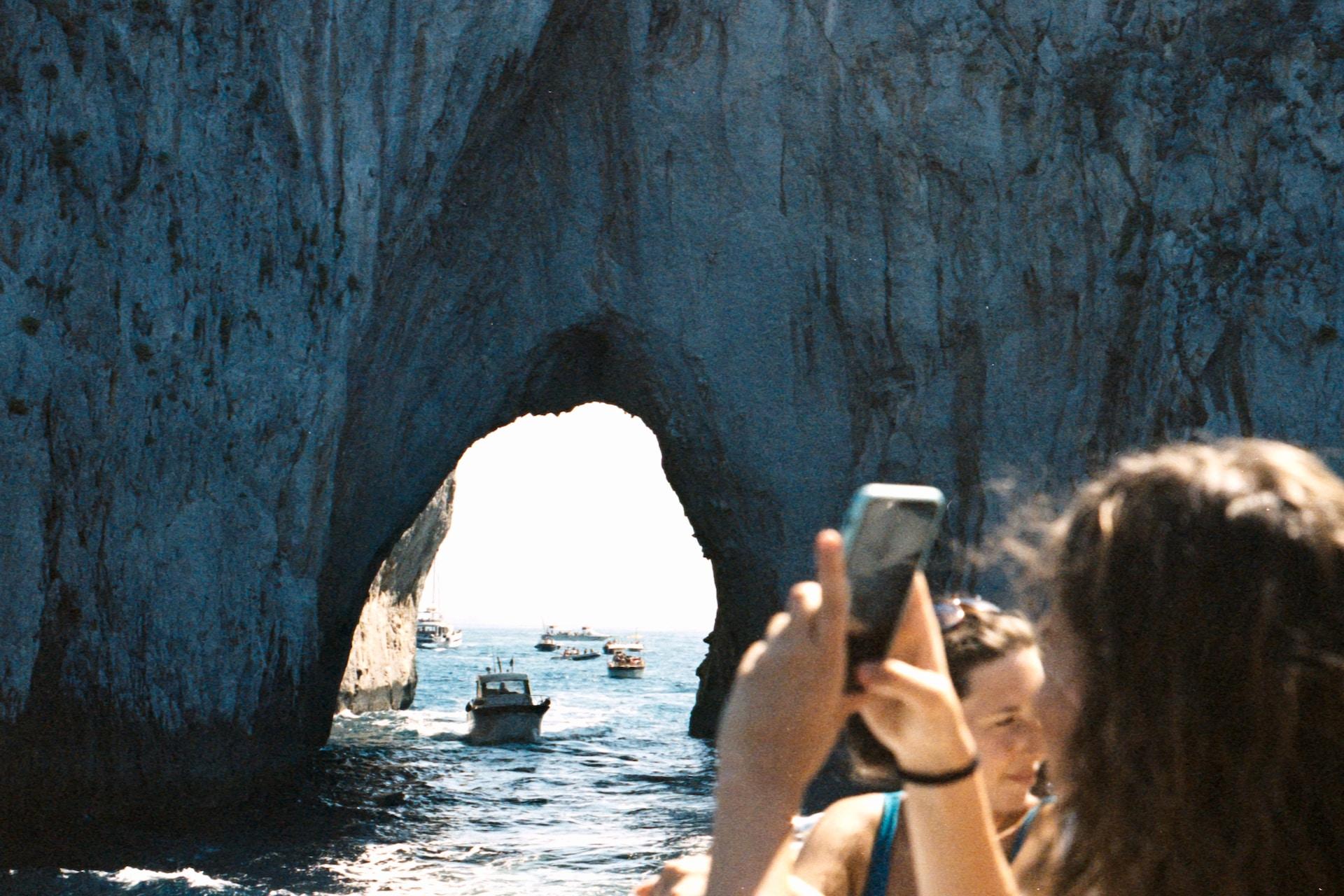
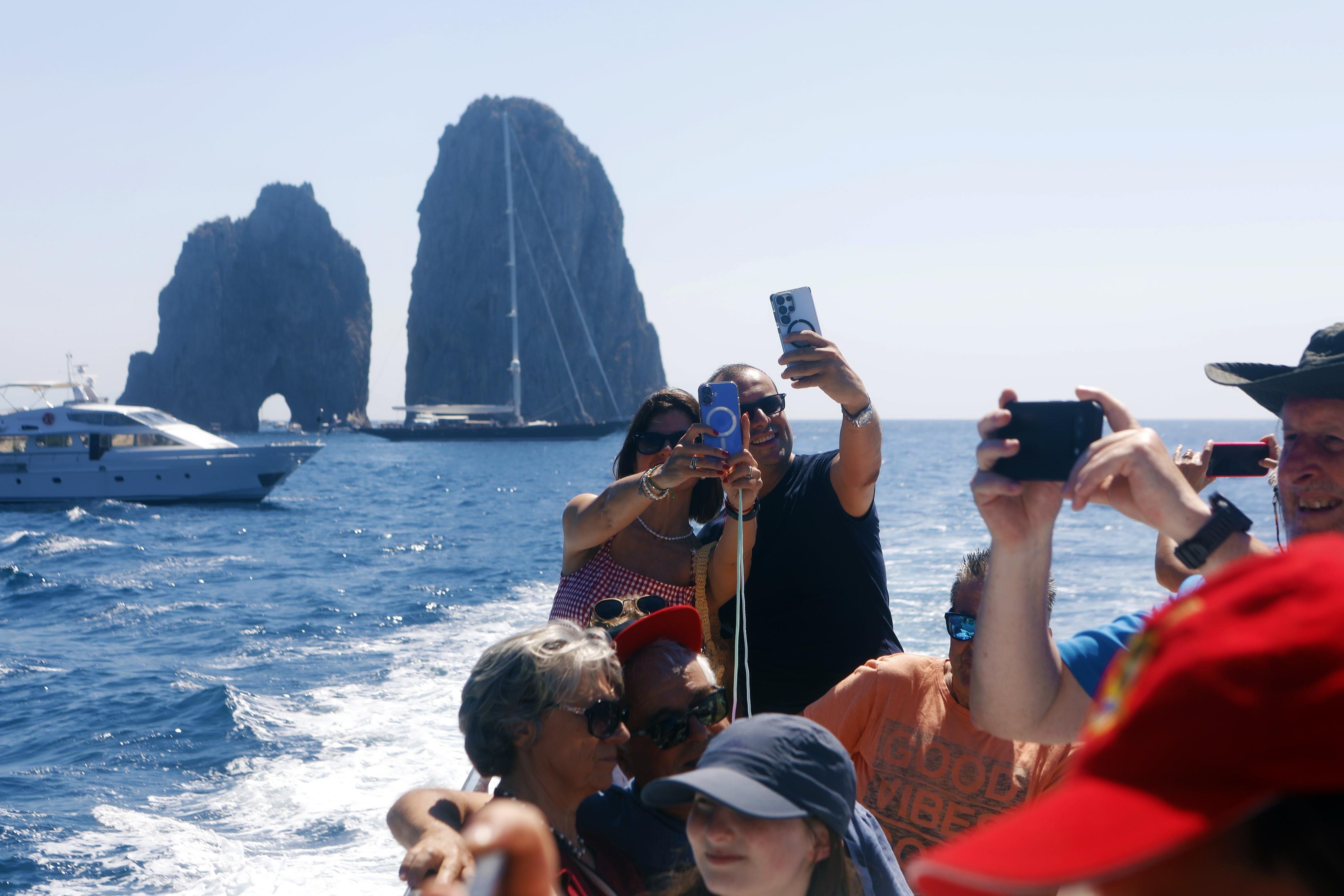
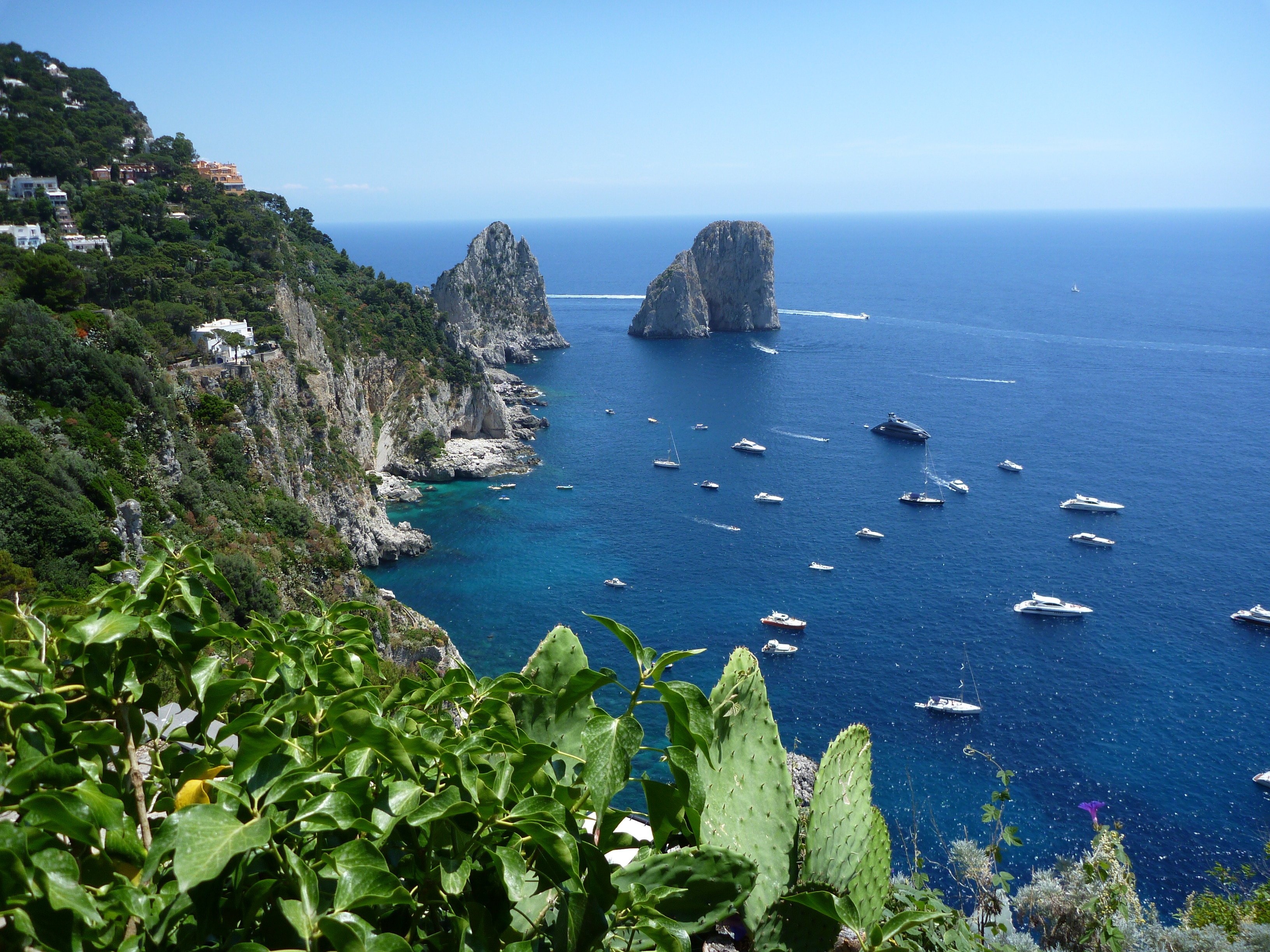
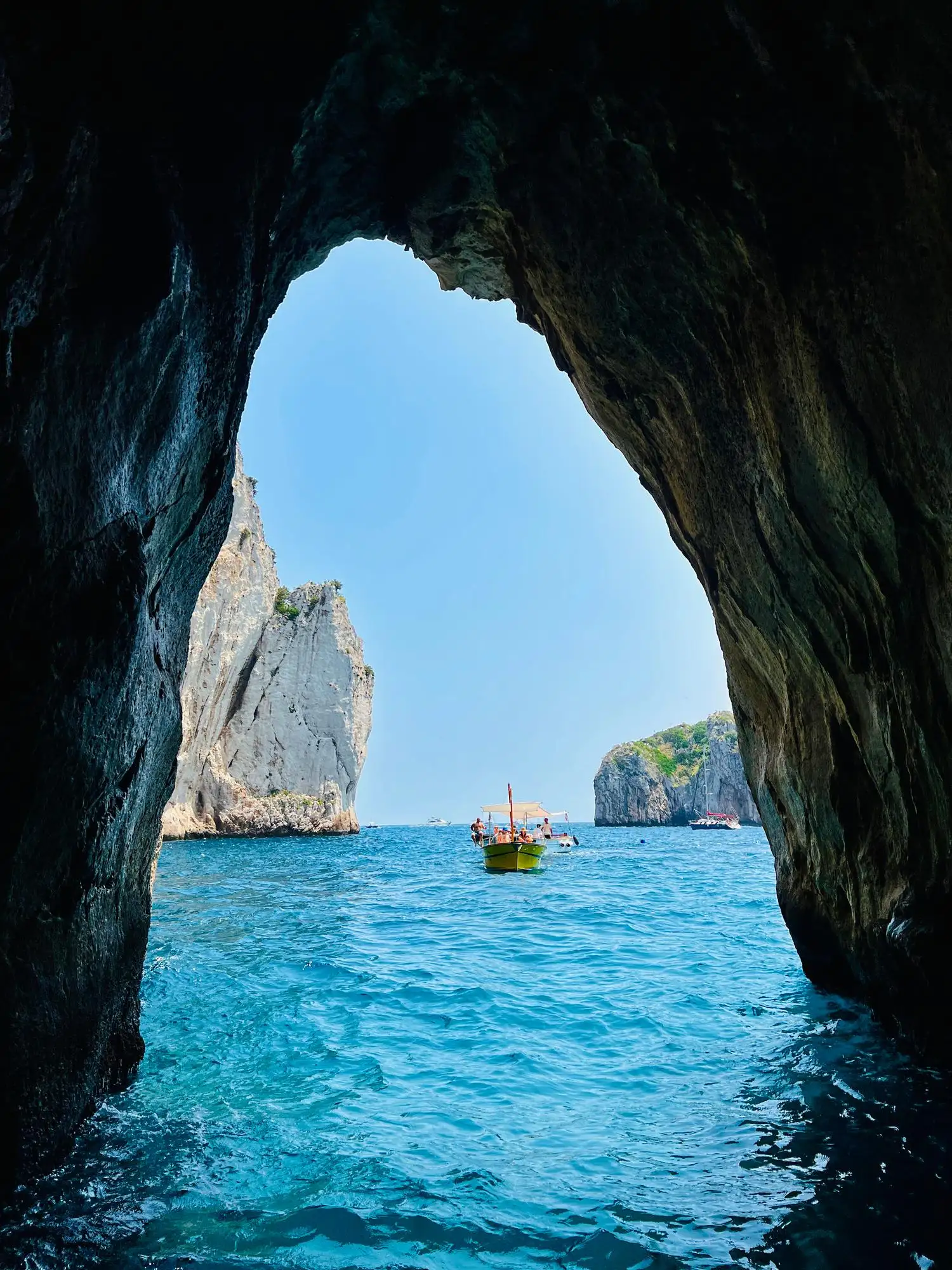
Within 40 minutes the Faraglioni stacks rise ahead, their arches framing open sea. Your captain steers counterclockwise around the island, slowing at the White Grotto to show you the calcite formations before continuing north toward Anacapri's cliffs.
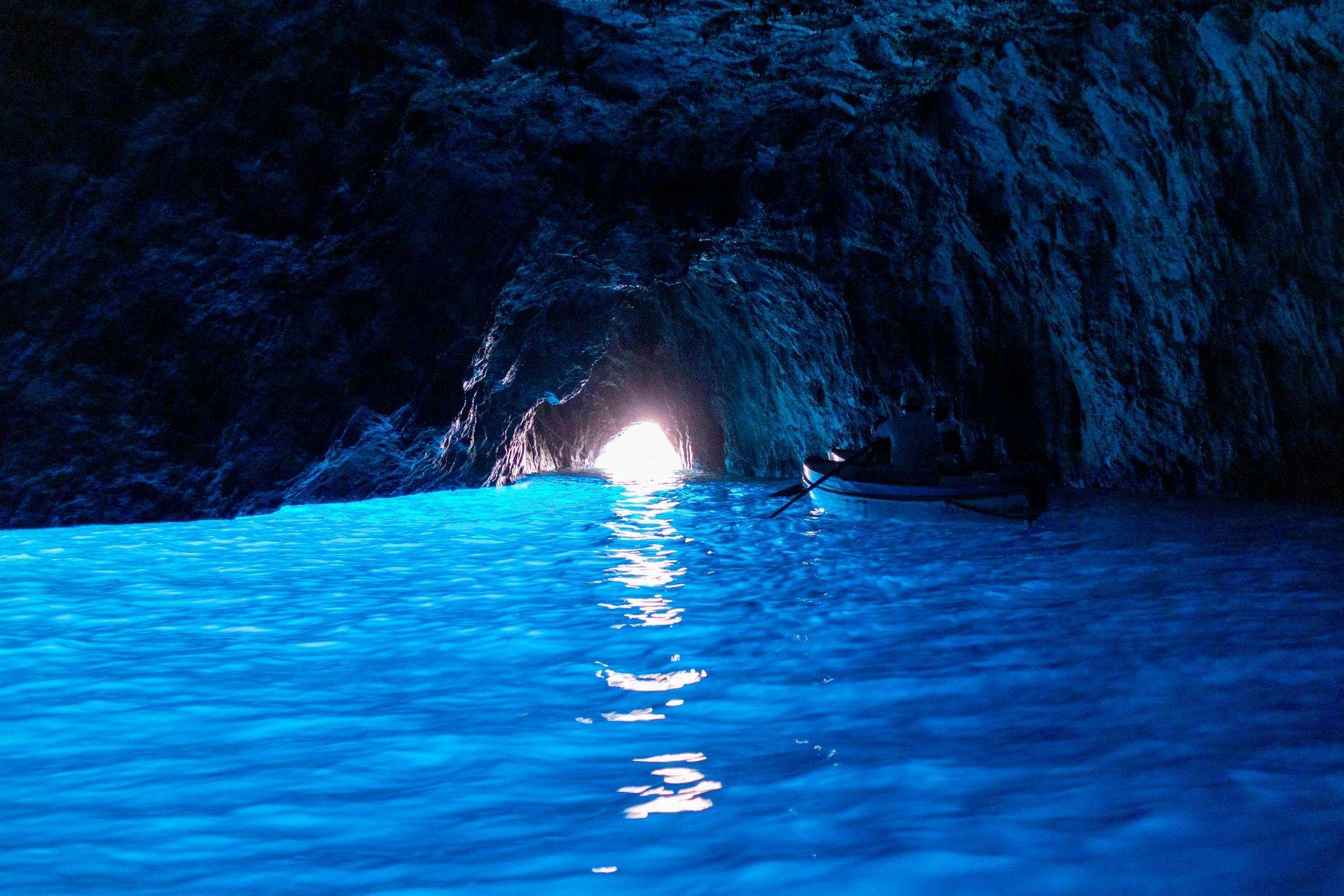
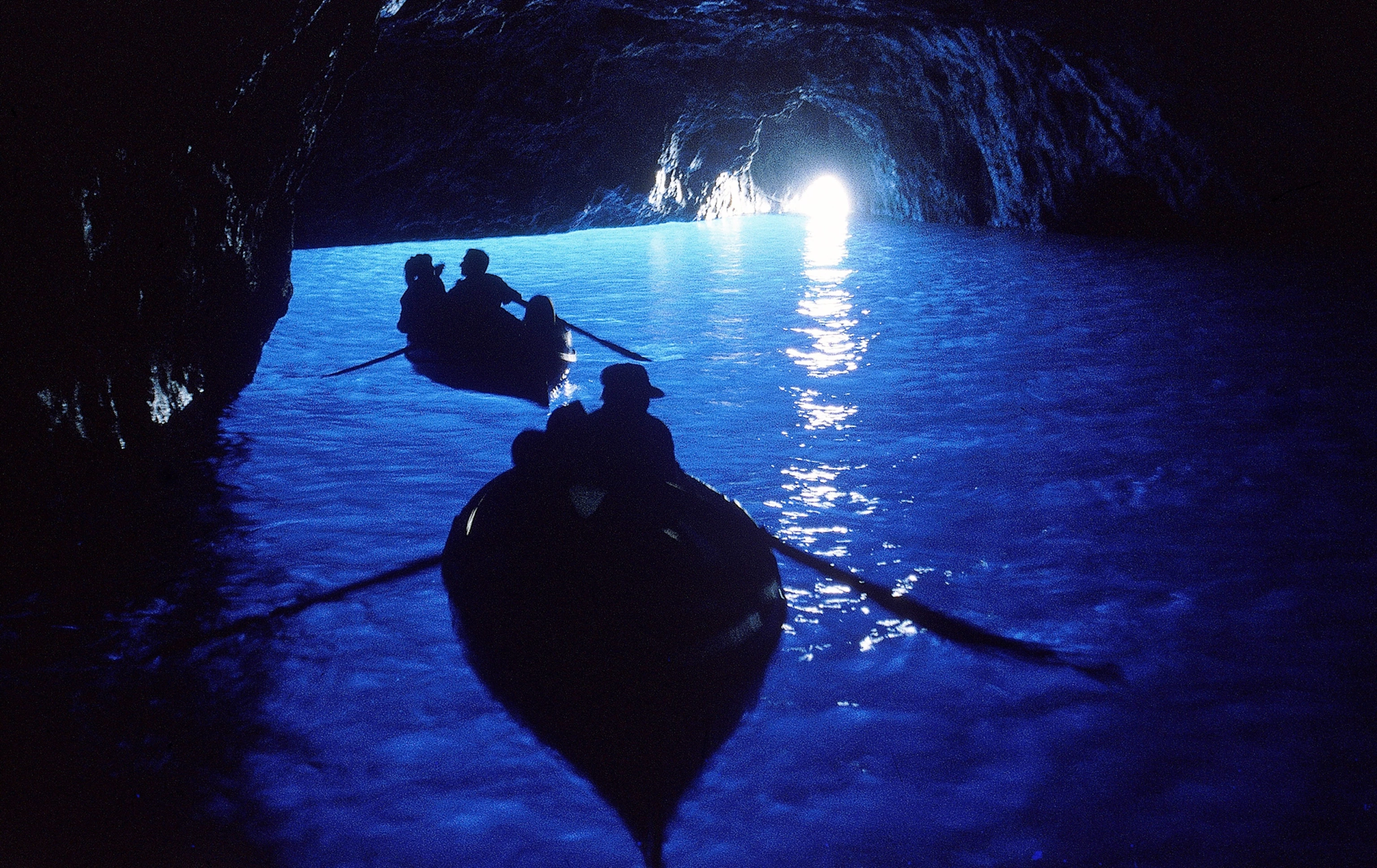
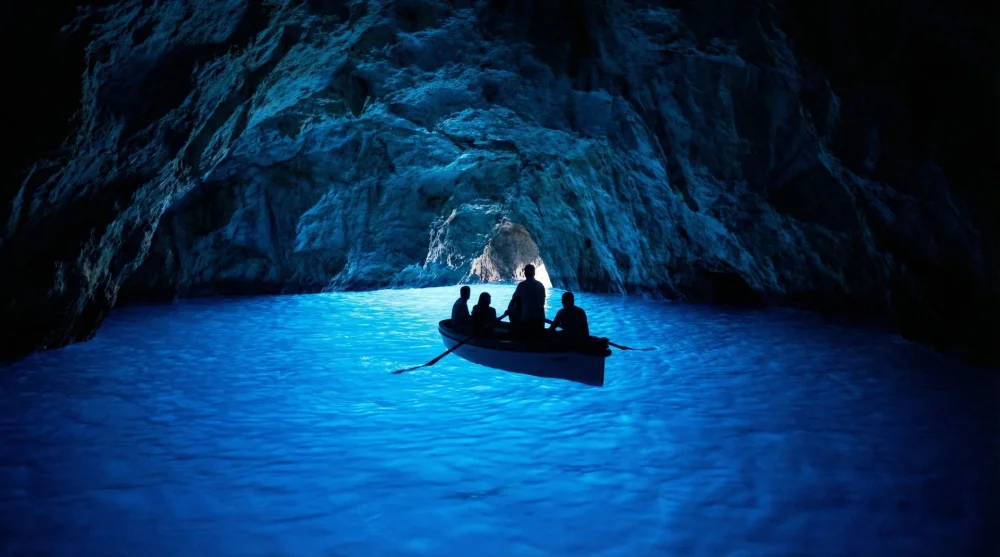
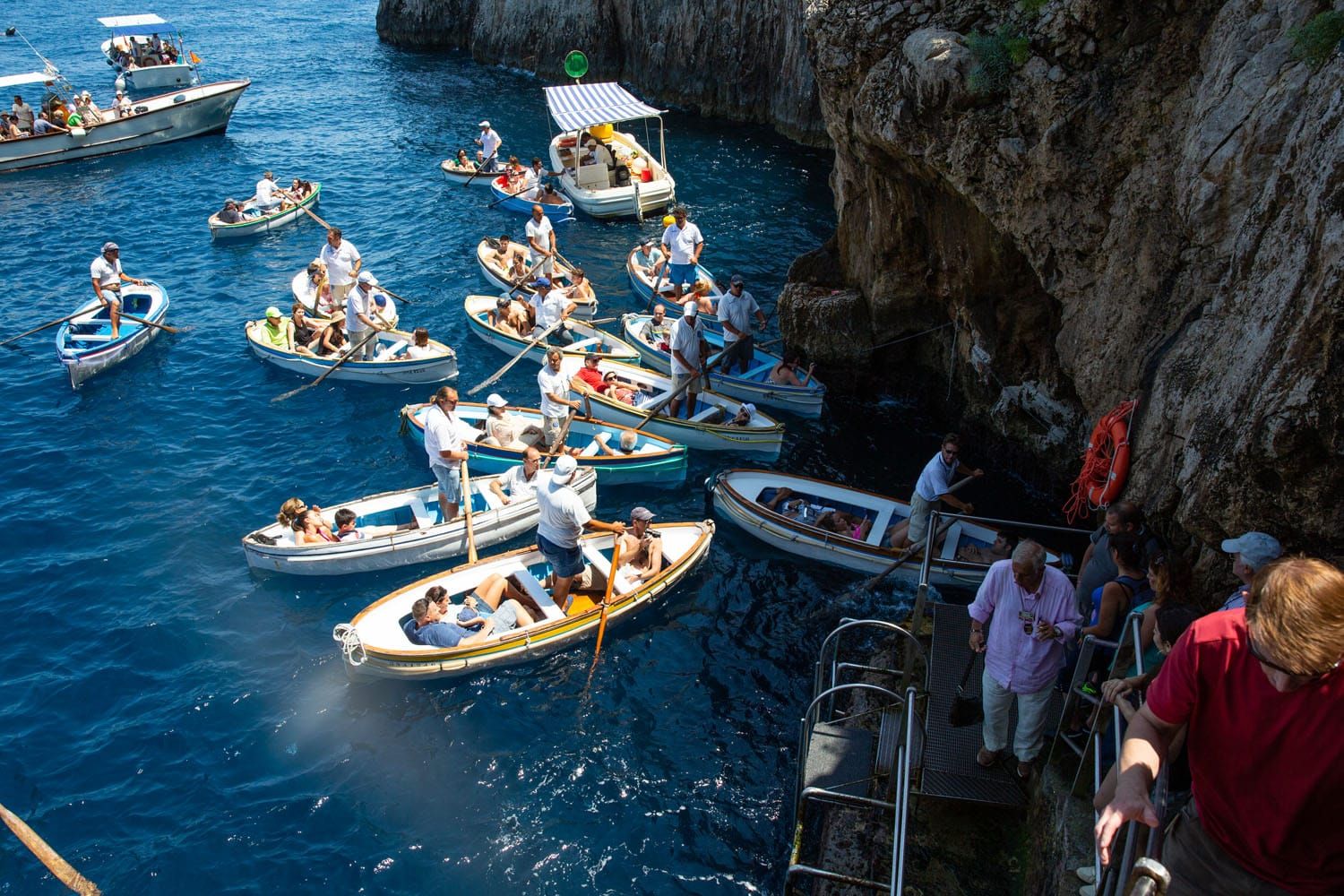
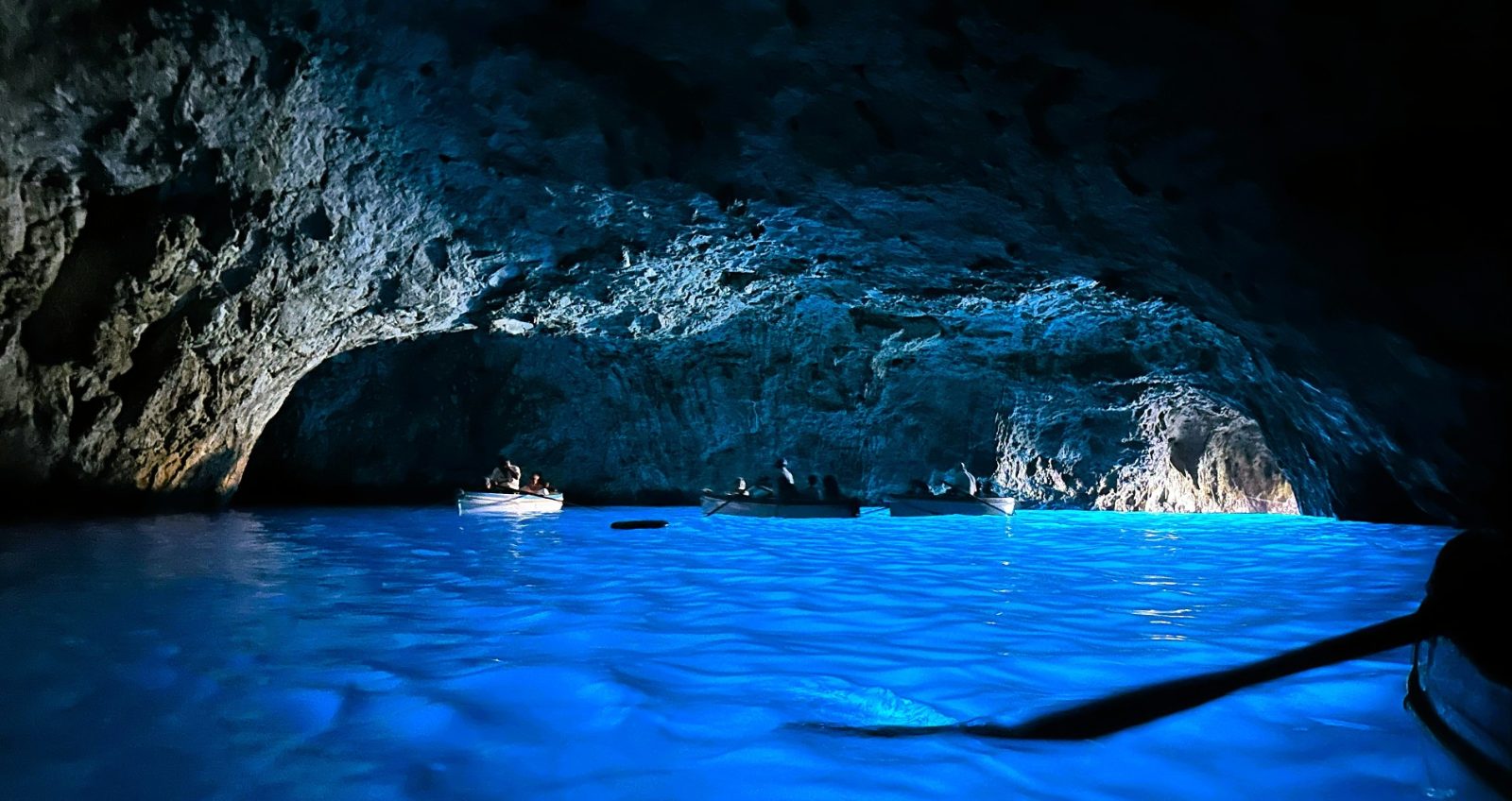
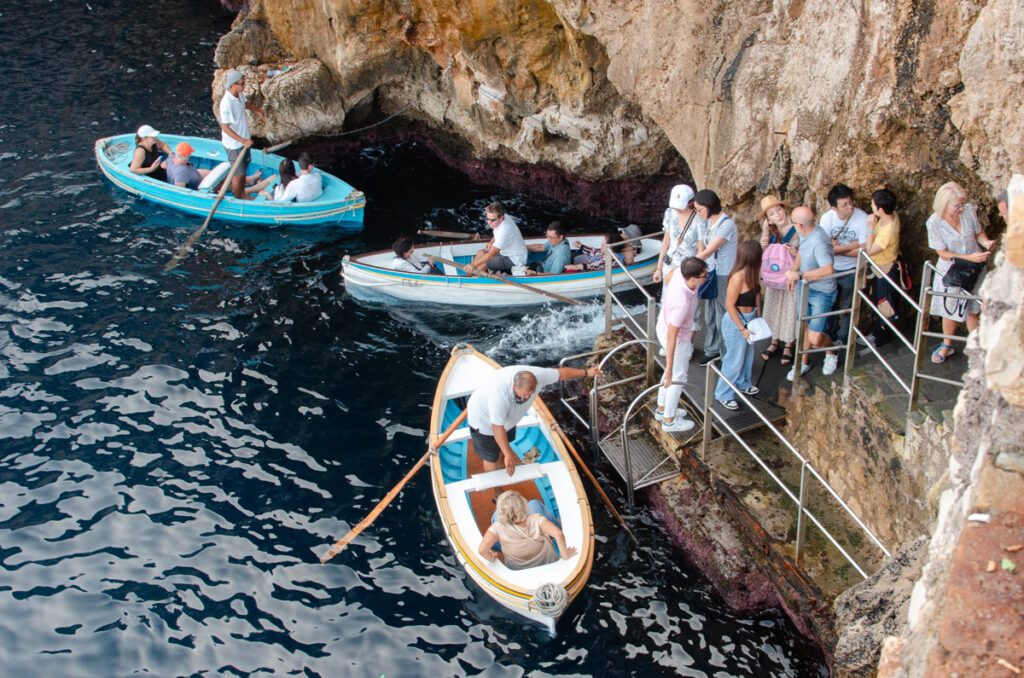
At the Blue Grotto approach, a queue of small wooden rowboats bobs beside the cave mouth — a low, shadowed slit in the rock barely a metre tall. You transfer into one of the scafi, reclining flat as the oarsman grips the chain bolted into the cave entrance and pulls the boat through. The ceiling clears and you sit upright. The water beneath you glows electric blue, lit from below by sunlight streaming through the submerged opening. The walls curve into shadow above. The oarsman's voice echoes off the limestone as he rows you in a slow circle. Three minutes later you duck back through the opening into daylight, blinking against the sun. You rejoin the main boat for the return leg to Positano, passing terraced lemon groves and the vertical drop of the Lattari range.
All the details about your upcoming adventure in one place
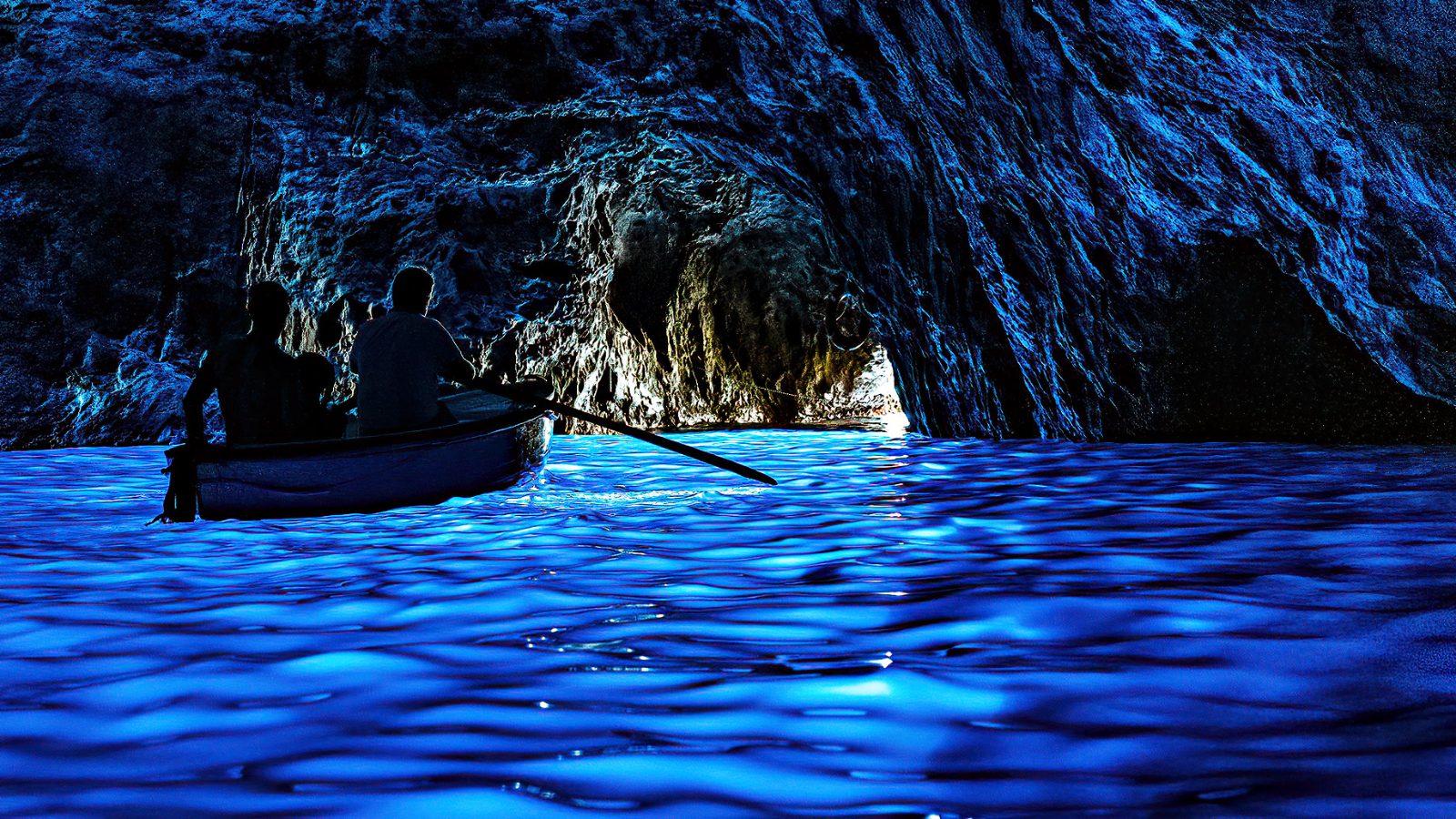
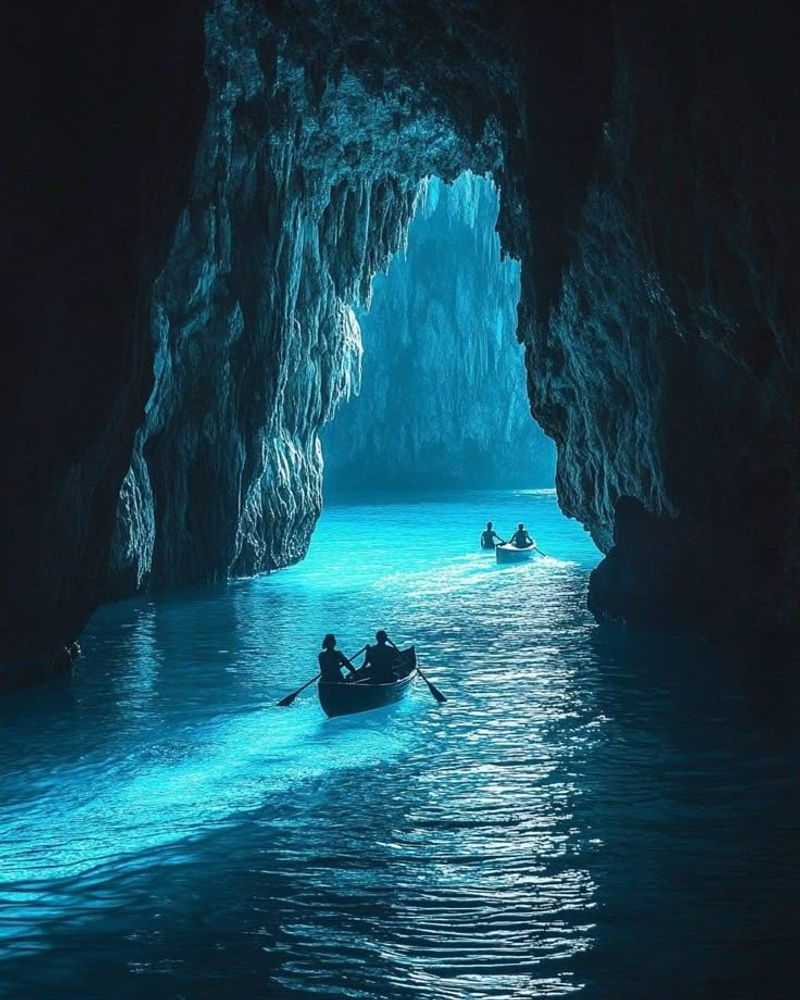
The Grotta Azzurra — Blue Grotto in English — owes its unearthly cobalt glow to a submerged cavity that refracts sunlight through seawater, projecting an electric sapphire radiance onto the limestone vault above.
The 60-metre-long cavern has drawn visitors since Roman Emperor Tiberius built a private nymphaeum at its entrance in the 1st century CE, using the grotto as a secluded marine pavilion. Rediscovered by European painters and writers in 1826, the cave became the centrepiece of Capri's 19th-century Grand Tour mythology, its iridescent interior immortalised in watercolours by German Romantic artists and travelogues by Hans Christian Andersen.
Today the Blue Grotto remains Capri's most sought-after natural landmark, accessible only by sea through a metre-high opening that admits four-person rowboats at calm tide. Visitors transfer from motorboats to traditional wooden scafi rowed by licensed oarsmen, who duck under the cave mouth while passengers recline flat against the gunwales. Inside, the refracted light transforms the water into liquid lapis lazuli, a phenomenon visible only when the sea is placid and the sun angled correctly — typically between late morning and early afternoon. The entrance fee of 19 euros covers both the rowboat transfer and the brief guided passage through the grotto, administered by the Cooperativa Battellieri di Capri under concession from the Italian Ministry of Culture.
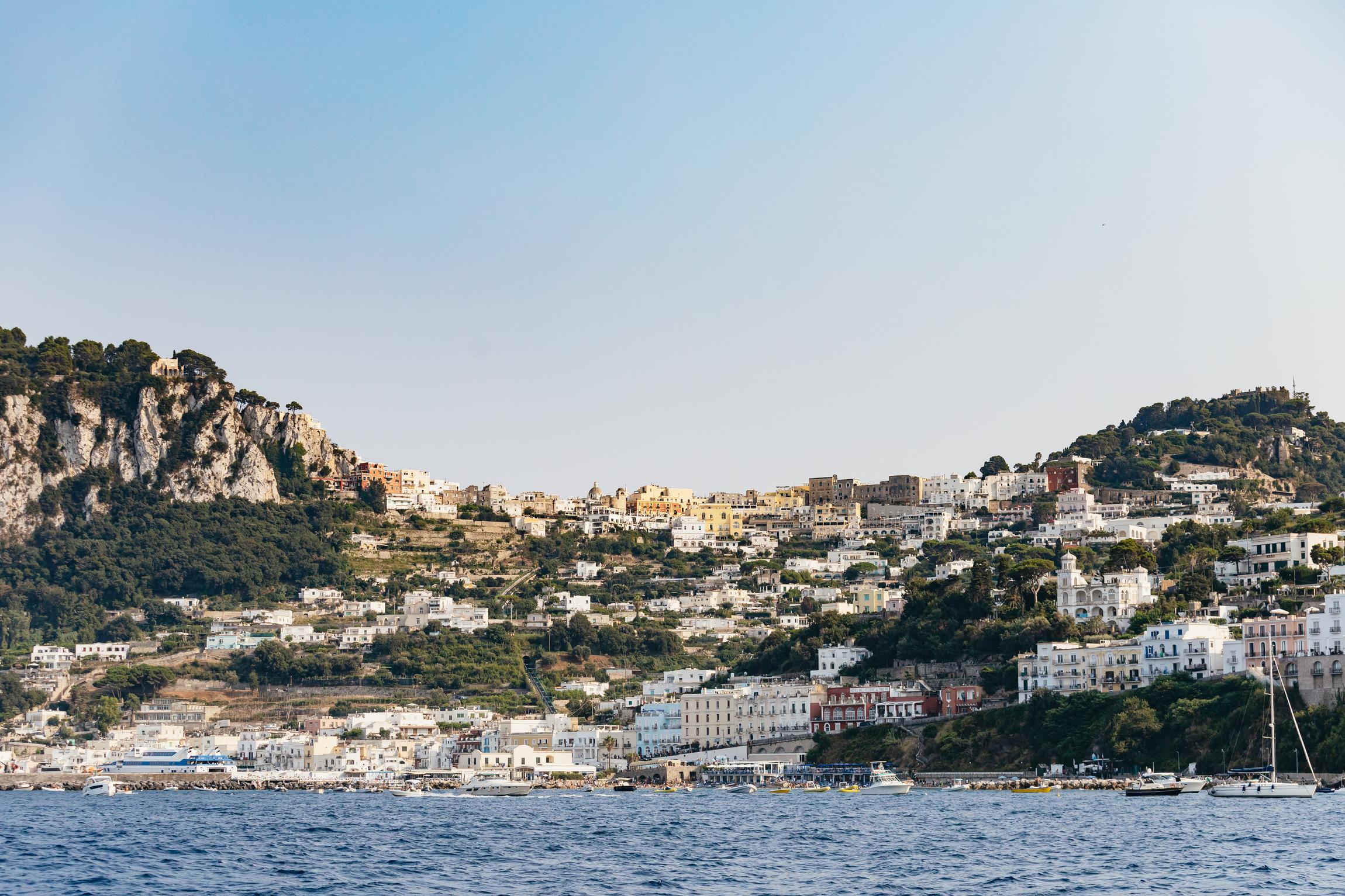
A blue grotto capri tour from positano departs directly from the Amalfi Coast, eliminating the ferry transfer to Marina Grande and the subsequent motorboat queue at Anacapri. These coastal cruises typically circumnavigate the island, passing the Faraglioni rock stacks, the Natural Arch, and the White Grotto before arriving at the Blue Grotto's northwest face. Weather and tide permitting, passengers disembark into the waiting rowboats for the cave transit, then rejoin the main vessel for the return leg along Capri's southern cliffs. The proximity of Positano to the grotto's approach — roughly 40 minutes by gozzo or similar coastal craft — makes the Amalfi departure the most efficient routing for visitors already based along that stretch of coast.
The cave remains sensitive to wind and swell; east or south winds can close the grotto for days at a time, particularly during autumn and winter months. Operators monitor marine conditions in real time and typically offer alternative itineraries or full refunds when the cave is inaccessible. Because the rowboat transfer and interior passage are regulated by tide and queue length, total grotto time rarely exceeds five minutes per boat, a brevity that has sparked persistent debate about the experience's value relative to its cost and waiting time.

The refracted light transforms the water into liquid lapis lazuli, a phenomenon visible only when the sea is placid and the sun angled correctly.
Wear comfortable clothing and footwear that you do not mind getting slightly damp. Since you must lie flat in the rowboat, avoid bulky layers or restrictive items.
There is no secure storage at the entrance. Carry only minimal essentials, as space in the small rowboats is extremely limited and items may be exposed to sea spray.
Photography is possible but challenging due to low light and moving boats. Keep your device secure and avoid blocking the movement of the boatman.
Children are welcome but must be supervised closely. Infants are often discouraged due to the cramped boat space and safety requirements regarding the low cave mouth.
The site is not wheelchair accessible due to the necessary transfer into a low-sitting wooden rowboat from a floating platform. The entry requires physical agility.
No food or drink facilities are available inside the cave. Nearby coastal restaurants in Anacapri offer dining options after your visit.
Opening Hours
09:00–17:00 daily
Address
Via Grotta Azzurra, 80071 Anacapri NA, Italy
Entry
Small rowboat access only
Best Window
09:00–09:30
Storage
Not available at entrance
Navigation
Accessible via sea or Anacapri bus
As this is a natural site, entry is weather-dependent. No advance official online bookings exist, so cancellation is handled on-site if the grotto is closed due to sea conditions.
Recommended time
1 hour
A blue grotto capri tour from positano requires careful planning around shifting sea conditions and tidal levels that can temporarily restrict access to the sea cave. Most blue grotto capri tour from positano tours involve waiting for a rowboat transfer, meaning you should budget additional time for potential queues. Secure your blue grotto capri tour from positano tickets early to navigate the limestone entrance effectively while the tide remains favorable.
Crowd levels through the day
The Blue Grotto's history begins not with tourism but with imperial Rome. Emperor Tiberius ruled the empire from Capri between 27 and 37 CE, transforming the island into a private retreat. Archaeological evidence confirms he constructed a nymphaeum inside the grotto, adorned with marble statues now housed in museums across Europe. Ancient Roman sculptures recovered from the cave floor in the 1960s prove the grotto served as a sacred bathing complex for the emperor and his court. The sea entrance, though narrow, allowed small vessels to ferry guests into the luminous chamber where sunlight refracted through submerged openings. Centuries of abandonment followed. Medieval islanders avoided the cave, whispering that demons inhabited its glowing waters. The blue grotto capri tour from positano industry would not emerge for another eighteen hundred years. In 1826, German painter August Kopisch and his companion Ernst Fries entered the grotto with local fisherman Angelo Ferraro, documenting the electric blue light that had terrified generations. Their published account sparked European fascination, and within decades Capri's economy pivoted toward accommodating visitors arriving by steamer from Naples and the Amalfi Coast. The late nineteenth century saw the first organized excursions. Local boatmen monopolized access, rowing tourists through the four-foot entrance in traditional wooden vessels. By 1900, the Grotta Azzurra had become essential to any Italian coastal itinerary, drawing writers, artists, and aristocrats. The cooperative system governing blue grotto capri tour from positano tickets today descends directly from those early boatmen's guilds. World War Two suspended tourism entirely, and post-war reconstruction gradually restored the route. Modern visitors encounter the same physical experience Tiberius engineered two millennia ago, though rowboats have replaced imperial galleys and the nymphaeum statues rest in distant collections rather than their original niches.
Emperor Tiberius constructs a nymphaeum inside the grotto, using it as a private imperial bathing complex adorned with marble sculptures.
Local fishermen avoid the cave, believing supernatural forces inhabit the glowing blue waters.
German painter August Kopisch enters the grotto with Ernst Fries and fisherman Angelo Ferraro, publishing the first modern account of the luminous phenomenon.
European tourists begin arriving by steamer from Naples, establishing Capri as a Grand Tour destination centered on grotto visits.
Local boatmen form cooperative guilds to manage access, standardizing the rowboat transfer system still used today.
Underwater archaeological excavations recover Roman statues from the cave floor, confirming Tiberius's nymphaeum and revealing the site's imperial origins.
Position yourself low in the rowboat as you pass through the narrow limestone archway to capture the transition from bright daylight to the cavern interior. This is the moment most people seek during a blue grotto capri tour from positano, requiring a fast shutter speed to compensate for the sudden change in light.
Aim your lens toward the water surface where the light enters from the underwater opening, creating the signature electric blue glow. This shot requires a high ISO and steady hands, as tripods are not permitted on the wooden vessels during your blue grotto capri tour from positano tours.
Capture the rugged, steep rock faces surrounding the entrance from your approaching boat before you transfer to the smaller rowboats. These geological formations provide context for your blue grotto capri tour from positano tour and contrast against the deep Tyrrhenian Sea.
Frame the queue of visitors waiting to board the rowboats against the backdrop of the Mediterranean Sea. This vantage point helps document the logistical nature of these skip-the-line blue grotto capri tour from positano tickets experiences.
Planning a blue grotto capri tour from positano with children requires careful coordination due to the maritime transfer process. The experience centers on a small rowboat, making it a unique adventure for families comfortable with water.
Strollers cannot be used inside the sea cave; leave them on your transport boat or at the harbor. Consider using a baby carrier for easier mobility during the blue grotto capri tour from positano tour transitions
The experience is best suited for children who can sit independently and remain calm in a small boat. Younger toddlers may find the low entrance and dark space intimidating, so evaluate your child's comfort level with enclosed water settings
There are no baby-change facilities or toilets inside the cave itself. Use the amenities at the main ports or your blue grotto capri tour from positano tours provider's boat before arrival
This excursion involves several transfers between vessels, which can be tiring for younger visitors. Plan for a relaxed pace after your visit to the Grotta Azzurra landmark to allow children to recover from the boat travel
All visitors must remain seated during the rowboat service to maintain balance. Ensure your kids are prepared to duck their heads upon entry as the passage is quite narrow.
Dining options near the Blue Grotto are limited, making planning ahead for your blue grotto capri tour from positano essential. Most visitors find it convenient to grab a meal in nearby Anacapri after securing their blue grotto capri tour from positano tickets.
Located near the cave, this upscale spot offers fresh Mediterranean fish and a famous dessert room. It is a popular choice for those finishing a blue grotto capri tour from positano tour.
Everything you need to know for your journey
The Blue Grotto is open daily from 09:00–17:00. Note that access is always subject to weather conditions.
A blue grotto capri tour from positano provides a scenic sea route, making it a popular choice for visitors seeking an island experience.
You cannot book official entry tickets online; the entrance fee of 19 EUR is paid at the floating ticket office upon arrival.
The blue grotto capri tour from positano is frequently paused when high tides or wind make the low cave mouth unsafe to traverse.
The entrance fee is 19 EUR per person, which covers both the site entrance and the required rowboat service.
Arriving between 09:00–09:30 helps avoid long queues that can exceed one hour during peak times.
Swimming inside is strictly prohibited by law and is dangerous due to boat traffic and tide levels.
There are no formal age restrictions, but infants should be carefully considered due to the cramped, dark rowing conditions.
Yes, you can take a bus from Anacapri to the Blue Grotto or board a boat from Marina Grande.
Join thousands of happy travelers who have discovered this incredible experience
Book Your Experience Now